
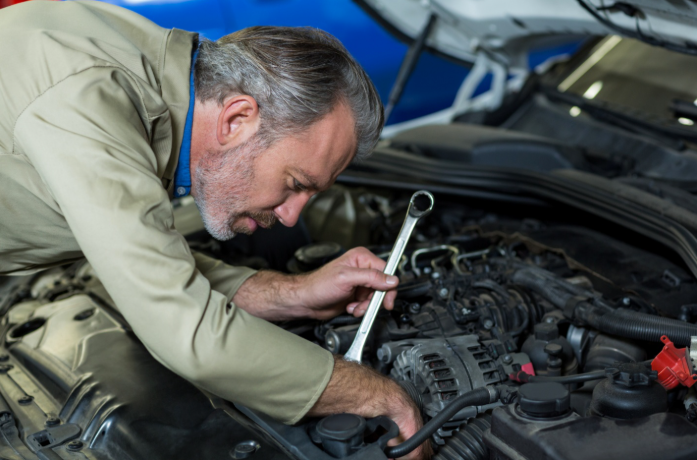
What happens when you are crawling through Dubai traffic, AC blasting, and suddenly the temperature gauge shoots up? No warning, no mercy. That creeping heat under the hood might not be just the weather; it could be a Range Rover radiator leak starting to sabotage your engine. Most drivers brush it off, top up the coolant, and keep going. But here? In this heat? That small leak turns ugly fast. A failing cooling system in Dubai does not give second chances. Ignoring it means engine damage, full stop.
Common Signs of your Range Rover Radiator Leak
A Range Rover radiator leak does not always come with smoke and flashing lights. Often, it creeps up quietly until the engine can no longer take the heat. Here’s what you need to watch out for:
- Coolant on the ground
- After parking, check under the front of your vehicle. A small puddle of pink, orange, or green liquid means coolant is leaking. In Dubai’s summer, it dries fast, so you need to catch it early.
- Engine temperature rising
- If that needle starts climbing even during short drives, your cooling system is not keeping up. Radiator leaks reduce coolant flow, which leads to overheating , fast.
- Coolant level keeps dropping
- Topping off the coolant once is normal. Doing it every few days? That usually points to a leak in the radiator or nearby hoses. The coolant is escaping; you just cannot always see where.
- Steam from the bonnet
- White mist or steam while idling means coolant is hitting hot engine parts. In some Range Rover models, even a cracked radiator tank can push steam out the front grille.
- Sweet smell while driving
- Smelling something like burnt syrup? That is likely ethylene glycol, a chemical found in coolant. If the radiator or heater core is leaking, the smell often shows up inside the cabin.
- Heater not blowing warm air
- When the cooling system drops below proper pressure, it affects the internal heating as well. This is often overlooked, but it is a common early clue in Dubai’s short winters.
You may not notice all of these signs at once, but even one is enough to tell you something is not right, and with Dubai’s heat, delays in Range Rover Coolant Leak Repair Dubai are never on your side.
What Causes Range Rover Radiator Leaks in Dubai’s Driving Conditions?
Radiators are not built to last forever, especially not under Dubai’s brutal conditions. The heat, the traffic, and the sudden highway-to-sand transitions all put extra stress on the Range Rover cooling system. And when pressure builds, weak spots give in. Here’s what usually starts the leak:
- Extreme engine heat
- Dubai’s long traffic jams and constant AC use cause the engine to stay hotter for longer. This heat wears down the radiator seals, plastic tanks, and even the internal metal fins faster than in cooler climates.
- Poor coolant quality
- Not all coolant is made for high-performance engines. Using the wrong mix or diluted coolant weakens the radiator’s ability to manage heat. Over time, it corrodes the inside of the radiator core, leading to pinhole leaks.
- Damaged radiator hoses
- Old or brittle hoses cannot handle the pressure when the system is hot. A weak spot in a coolant hose can cause leaks that spray directly onto the radiator body, damaging it externally.
- Road debris & off-road impact
- Small rocks, sand, and debris hitting the front grille during desert drives or long trips can dent or crack the radiator fins. Even a slightly bent radiator can leak under pressure.
- Faulty radiator cap
- If the radiator cap is not holding pressure properly, coolant may boil over or leak from the overflow. This repeated boiling causes internal stress, which damages the radiator from the inside.
- Electrolysis & internal corrosion
- When the electrical system is not grounded properly or old coolant is left too long, it causes electrochemical corrosion. This eats through metal from the inside, especially in older Range Rover models.
In a city like Dubai, even a new radiator can fail early if any of these problems are ignored. That is why routine inspection is not just good advice; it is how you keep your engine alive.
How We Diagnose a Range Rover Radiator Leak in Dubai
A radiator leak is not always obvious from the outside. Sometimes the signs hide until your cooling system is already failing. In Dubai, where engine temperatures rise faster than your AC can cool you down, finding the leak early makes all the difference. Here’s how we break it down:
- Visual check under pressure
- The first step is a detailed radiator inspection. We check the seams, hoses, clamps, and the radiator core with the engine hot. That’s when leaks show themselves. A cold engine hides them well.
- Coolant pressure test
- We use a pressure tool to simulate the system at operating temperature , without even starting the engine. If there’s a leak in the radiator, this test forces coolant out where it is escaping.
- UV dye & blacklight method
- A fluorescent dye is added to the coolant. Then we use a UV light to trace even the smallest leaks in the cooling system , including hidden ones around the water pump or thermostat housing.
- Radiator cap test
- A faulty radiator cap lets pressure escape, causing coolant to boil too early. We test the cap’s PSI rating to make sure it’s holding proper pressure and not contributing to the leak.
- Check for internal leaks
- If coolant is disappearing but not visibly leaking, we check for internal issues like a blown head gasket or coolant entering the transmission cooler. This step saves the engine from future damage.
- Cooling fan & thermostat test
- A weak radiator is sometimes a symptom, not the cause. We test the thermostat and cooling fan operation to rule out what is driving the system beyond its limits.
Diagnosing a Range Rover radiator leak is not about guesswork. It is about knowing how your system behaves, especially under Dubai’s extreme temperatures. That is where real diagnostics make all the difference.
Expert Range Rover Radiator Repair Services in Dubai
Radiator leaks never wait for a good moment. One minute you are driving through Business Bay, the next, steam is under the hood. That is why our Range Rover Repair Services in Dubai are built for speed, accuracy, and long-term reliability. Here’s how we restore your cooling system to full strength:
- Complete radiator removal
- We start by removing the Range Rover radiator to inspect for cracks, seal failures, and damage to the radiator tank or fins. Hidden damage only shows once the unit is off the vehicle.
- High-pressure system flush
- Flushing the entire cooling system removes rust, mineral deposits, and old coolant residue that could block the new radiator or thermostat housing.
- Radiator core replacement
- If the radiator core is corroded or cracked, we replace it with a high-performance OEM-spec core, not cheap aftermarket options that cannot handle Dubai’s heat and traffic.
- Coolant hose & seal repair
- Cracked or brittle coolant hoses, leaking O-rings, and worn gaskets often go hand-in-hand with radiator failure. We replace every weak link to stop pressure loss.
- Post-repair pressure testing
- After installation, we run a cooling system pressure test to check for any drops under load. This ensures the radiator, cap, hoses, and thermostat are all sealed and working under real driving conditions.
- Correct coolant refill & bleeding
- Using the recommended RR coolant mix, we refill and bleed the system to remove air pockets, preventing engine overheating during idle or AC-heavy drives.
In Dubai, radiator repairs are not just a quick fix; they are part of keeping your Range Rover cooling system ready for extreme traffic, terrain, and temperatures. We do it right, so you do not end up on the shoulder again.
When a Range Rover Radiator Replacement Is the Only Solution
In some cases, repair is not enough. A Range Rover radiator replacement becomes the only option when damage compromises the entire cooling system. Ignoring it leads to more expensive problems like head gasket failure, water pump damage, or even a warped engine block. Here’s when a full replacement makes more sense than repair:
- Cracked radiator tank
- If the plastic tank attached to your radiator core is cracked, it cannot be sealed reliably. Heat cycling in Dubai makes plastic expand and contract , and once cracked, the pressure forces coolant out.
- Internal corrosion or rusting
- Radiators exposed to poor-quality coolant or extended intervals without flushing often suffer from internal corrosion. Rust eats away at the radiator channels, causing internal blockage and repeated overheating.
- Blocked radiator flow
- A severely clogged cooling system restricts coolant circulation, even after a flush. If flushing fails to restore normal coolant flow, the radiator core is likely too damaged inside to function properly.
- Multiple previous repairs
- If the radiator has already been repaired more than once , especially using sealants , it becomes structurally weak. At that point, replacement ensures long-term durability under full pressure and Dubai temperatures.
- Visible fin damage or core leaks
- Dents, bent fins, or pinhole leaks across the radiator surface reduce heat dissipation. Even small leaks on the core often mean deeper damage. In these cases, partial repair is a short-term solution at best.
- Coolant mixing with transmission fluid
- Some Range Rover radiators feature a built-in transmission cooler. If the internal barrier fails, coolant and transmission fluid can mix , which requires immediate radiator replacement to prevent gearbox damage.
When any of these problems show up, continuing with patch repairs only delays the inevitable. Replacing the Range Rover radiator with a properly matched unit restores full system pressure, keeps engine temperatures stable, and protects critical components from thermal stress.
How Radiator Failure Affects Your Range Rover Engine
Radiator trouble is not just a small leak or some steam from the hood. It leads to deeper issues inside the engine block, especially in a Range Rover, where performance depends on precise heat control. Once the cooling system fails, the engine is next in line for damage. Here’s how a faulty Range Rover radiator impacts your engine:
- Overheating under load
- The radiator’s job is to maintain a stable engine temperature. When it leaks or clogs, heat builds up fast, especially in traffic. Overheating causes warped cylinder heads, cracked gaskets, and sensor failure.
- Coolant loss & pressure drop
- Even a slow leak reduces coolant volume and system pressure. That leads to uneven heat distribution and puts stress on the engine block, pistons, and combustion chambers during every drive.
- Engine oil breakdown
- Higher temperatures cause engine oil to thin out and lose viscosity. Without proper oil protection, internal engine parts grind harder and wear faster, increasing the chance of a complete engine seizure.
- Misfiring & performance drops
- When combustion chambers overheat, they affect spark timing and fuel burn. You may notice engine misfires, rough idling, or power loss. The ECU compensates, but it cannot protect the engine forever.
- Cracked head gasket
- One of the most common long-term effects of a radiator malfunction is head gasket failure. Once this happens, coolant and oil mix , and that is not something you can fix with a top-up or flush.
- Permanent internal engine damage
- If the cooling system is neglected too long, it can cause damage to the crankshaft, camshaft, or valves. At this stage, repairs shift from radiator work to full engine rebuilds or replacement.
A damaged Range Rover radiator is never just a minor inconvenience. In Dubai’s climate, it quickly becomes a critical issue, and the engine pays the price.
Range Rover Radiator Leak | What You Need to Know
Coolant dripping under your car? That’s not just a small mess; it’s a warning. A Range Rover radiator leak can start small, but it rarely stays that way. Once coolant escapes, even in drops, the cooling system starts losing pressure. That pressure is what keeps your engine temperature stable, especially in Dubai’s brutal climate. Here’s where leaks usually begin:
- Radiator core damage: stress cracks or impact from road debris
- Coolant hose wear : soft or brittle hoses around clamps and joints
- Radiator cap failure : loss of pressure control leads to overflow
- Internal corrosion: caused by poor coolant or skipped service
- Seal failure : worn O-rings or gaskets leaking under pressure
- Heater core issues : rare, but can pull coolant away from the engine
At first, you may just top off the fluid and keep driving. But as coolant drops, heat rises. You’ll feel it in the cabin, see it on the gauge, and maybe even smell it under the hood. And if it goes unchecked, your RR engine could face permanent damage. A small leak today can lead to a seized engine tomorrow. Get it checked before the problem spreads.
Why Choose Range Rover Repair Dubai for Radiator Repairs
You can get a quick fix anywhere. But radiator repairs on a Range Rover in Dubai’s climate? That needs more than patchwork. Here’s why drivers choose us:
- Range Rover experts only
- We don’t work on every brand. Just Range Rovers. That means we’ve seen every version of cooling system failure, from early leaks to full radiator breakdown. No guessing, no trial and error.
- Genuine & OEM-spec parts
- Every radiator we install meets Land Rover specifications and is built to handle high engine pressure, not just sitting in a box with a discount label.
- Real pressure diagnostics
- No flashlight-and-go checks here. We run a full coolant pressure test, check radiator flow, and inspect thermostat function before doing anything else.
- Same-day turnaround
- We know Dubai doesn’t wait. Most radiator repairs or replacements are done the same day, without cutting corners.
- Cooling system built for Dubai roads
- Hot roads, idle traffic, AC blasting. Our repairs account for everything this city throws at your engine, not just ideal test conditions.
- Fair prices, straight answers
- We show what’s wrong, explain the fix, and let you decide. You only pay for what your Range Rover radiator system truly needs, nothing more.
Not every radiator leak means disaster. But ignoring it? That’s where the damage starts. If it’s heating up, get it in now.
A Range Rover radiator leak is not just a minor nuisance , it’s a gateway to serious engine trouble, especially in Dubai’s relentless heat. Ignoring coolant loss or rising temps can lead to warped heads, failed gaskets, or even a full engine rebuild. These aren’t rare cases , they’re what happens when leaks get overlooked in the wrong climate. That’s why acting early matters.
If your Range Rover shows any signs of overheating, don’t wait. Come in for a quick, honest check. We offer precise radiator diagnostics, fast repairs, and cooling system replacements built to handle Dubai’s extreme driving conditions. Book your radiator service today and keep your engine where it belongs: cool, clean, and damage-free.
